
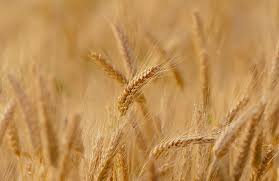
February heatwave worries wheat growers in Punjab, Haryana
An unusual spike in temperatures this February has set off alarm bells for wheat growers across Punjab and Haryana, with the mercury rising 3–4°C above normal — conditions considered unfavourable for the crop’s smooth growth. Maximum temperatures have hovered between 25°C and 30°C, already touching the upper threshold deemed ideal for February, and are forecast to climb another 2–3°C in the coming days.
According to the India Meteorological Department, even minimum temperatures are running 1.5°C to 3°C above normal, compounding concerns over potential stress on the standing rabi crop.
Agriculture experts say that special attention needs to be paid to the maintenance of the wheat crop, as rise in mercury in these months, when the crop is at the maturity stage, impacts the yield. A similar situation emerged in 2022 when the yield of the wheat crop had decreased by up to 15%. The rise in temperature, like in 2022, is being seen as a cause of concern by farmers. “That year, we faced a big shortfall in wheat production,” said farmer Karnail Singh from Sangat village in Bathinda.
Makhan Singh Bhullar, director of extension education, Punjab Agricultural University (PAU), Ludhiana, said, “The wheat crop is very sensitive to high temperatures during the grain-setting period. Rise in temperature during this period decreases the weight of the grains, negative impacting both yield and quality. This effect is more profound in early wheat sown on light to medium soils, as the crop ripens early and the grains cannot be fully developed.”
Farmers felt the temperature higher than the last year during the 2nd week of February. Under the prevailing conditions, farmers are advised to give light irrigation to the crop to mitigate the impact of rising temperatures. They should also closely monitor wind speed during irrigation to prevent lodging of the crop.
PAU’s head of the agronomy department, Hari Ram, said rising growing degree days hasten crop maturity, shortening the grain-filling period — a development unfavourable for wheat. He advised that a 2% potassium nitrate spray would help protect the crop, particularly at the cabbage leaf stage, from high temperatures. The first spray should be applied at the emergence of the cabbage leaf stage and the second at the time of pollen formation.
It was emphasised that spraying should be done in the evening, and the quantity of solution should be kept to 200 litres. By providing light irrigation at regular intervals and carrying out the recommended sprays, the adverse effects of high temperatures can be mitigated to some extent, helping maintain both yield and quality.
This article has been republished from The Times of India.