
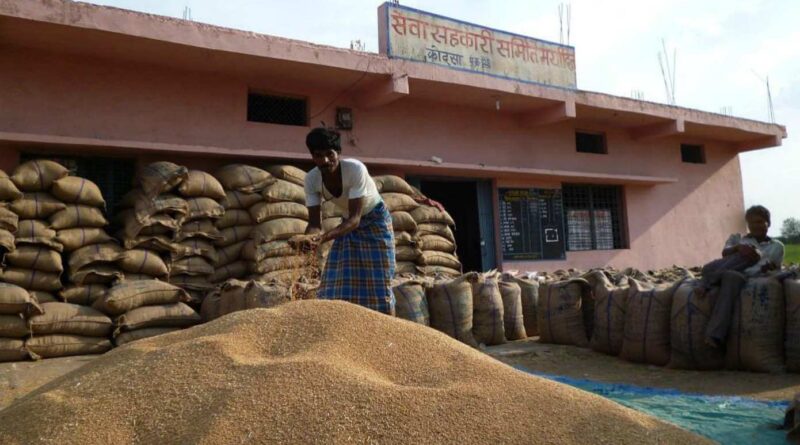
AP, Telangana paddy floods Raichur market — thanks to ease of trade
By Chamaraj Savadi
Raichur APMC has adopted an intermittent procurement approach as 50,000 quintals of paddy is reaching APMC daily
Raichur: Large consignments of paddy have started reaching the procurement centre here — the largest paddy APMC in Karnataka — from neighbouring Andhra Pradesh and Telangana.
Due to agricultural products not fetching appropriate prices in the open market, the govts of Andhra Pradesh and Telangana have established procurement centres within their states. While the Union govt has set a support price of Rs 2,300, the state govts offered Rs 2,800 per quintal by adding Rs 500.
Nevertheless, stringent conditions were enforced for purchases. Even minor quality discrepancies resulted in crop rejection. Consequently, despite the attractive support price in those states, farmers have flocked to the Raichur APMC due to ease of trade.
In Karnataka, varieties such as RNR and Sona Masuri are being purchased for Rs 2,700 to Rs 2,950 per quintal. Additionally, traders at Raichur APMC are offering spot settlement for purchases — a further insentive for farmers from adjacent states.
As a result, approximately 50,000 quintals of paddy are arriving at Raichur APMC daily, with the majority sourced from Andhra and Telangana, according to APMC secretary Adeppa. Though recognised as one of the largest APMCs in the state, the influx of paddy has exceeded the storage capacity, APMC officials claimed.
Consequently, officials have had to implement an on-off purchasing system, meaning procurement is done on every alternate day, with the tender process halted until the existing inventory is cleared.
Another significant factor contributing to the rise in paddy is the govt’s announcement that it will not be releasing water from the Tungabhadra reservoir for the summer crop this year due to the need to replace the crest gates.
As a result, rice mills have begun procuring paddy in substantial quantities to compensate for the anticipated shortage, which has subsequently caused an increase in paddy inflow.
This article has been republished from The Times of India.